


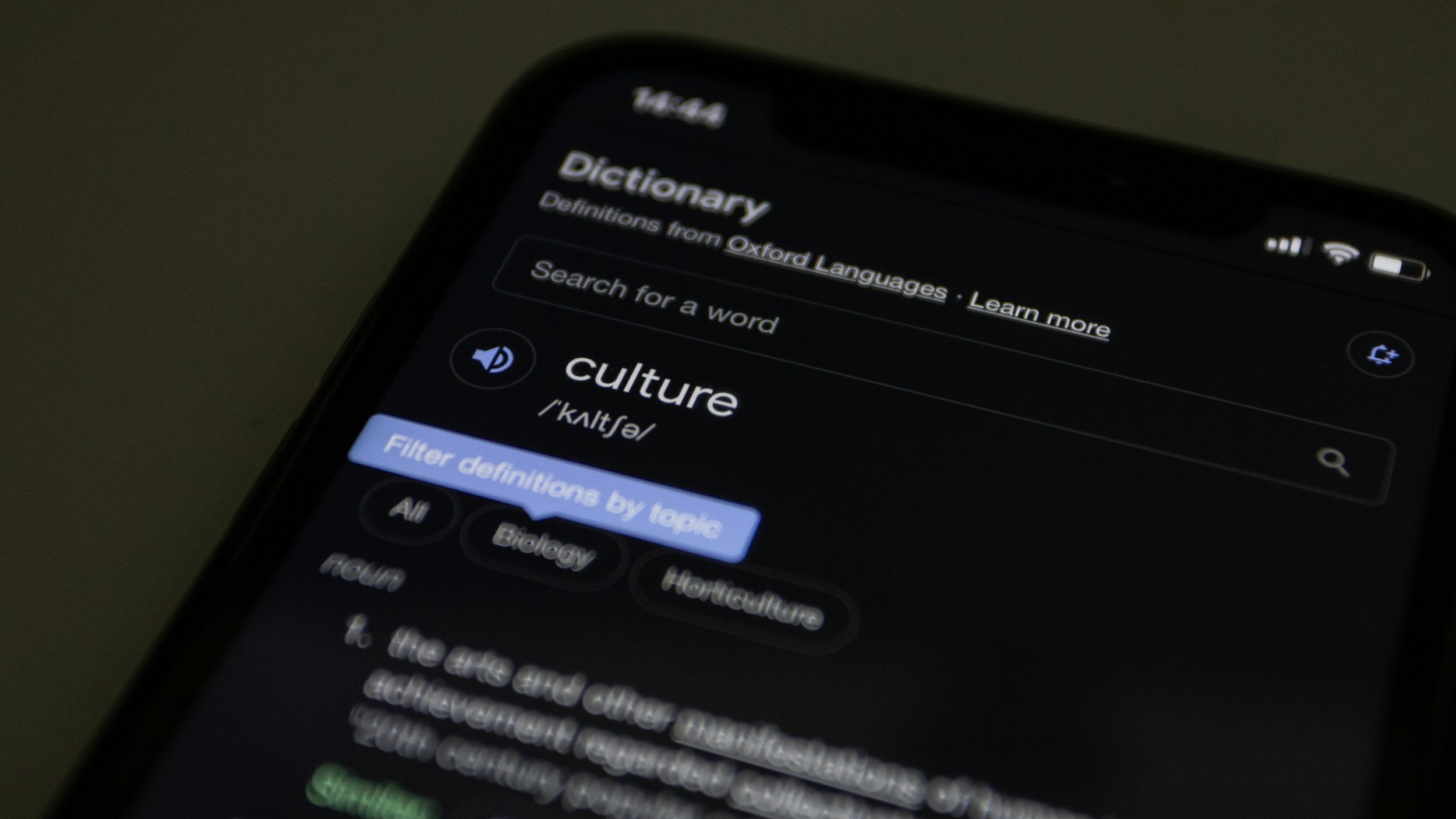
What is CULTURE?
Culture is the framework for human interaction
A Community is the SURROUNDING in which people come together,
but Culture is the system in which one learns what it means to be human.

Every one of us lives within a cultural system. We learn to connect. We learn the do’s and don’ts. And we learn to do life together. But in most cases, we don’t even realize that these regulations are in place. Culture is part of our upbringing, and often, it is not until we leave that familiar culture that the differences become visible. Sometimes even painfully visible.
If you plan to interact with another culture, you must reflect on your own first. You must recognize the differences in the other culture. And you must embrace the other culture. This is what it means to become culturally competent.
CONSIDER these topics as you learn more about culture
-
Short Answer: The process of learning to be comfortable in a new culture while maintaining one’s own cultural identity.
A little bit more on Acculturation:
Moving into a different culture is rarely smooth. Researchers have studied this process, called acculturation, for more than a century. The term first appeared in the 1880s, and in 1936 anthropologists defined it as the changes that occur when groups with different cultures come into continuous, firsthand contact (Redfield et al., 1936, as cited in Spicer, 2018). Early work largely examined other cultures through a Western lens, a bias some critics still point out. Today the focus has shifted toward individuals, such as immigrants, international students, and missionaries.
Most people move through recognizable phases of acculturation: an initial honeymoon period, followed by doubt, criticism, and resentment, and finally adjustment and real integration (Bradbury, 2017). The stress along the way, called acculturative stress, becomes severe when someone perceives their new situation as a threat to their well-being (Arnold, 2023).
People respond differently to acculturation. Some withdraw into their own bubble, which can lead to self-marginalization. Others collaborate with the new culture while maintaining their own identity. Another group may integrate so much that they lose their own cultural identity (Ataca & Berry, 2018). Successful adaptation means feeling at ease in the new setting while switching comfortably between cultures.
Three insights stand out. First, the whole family is affected. While family members often struggle to find their own purpose in the new country, they may connect more easily with locals at shops, playgrounds, and schools, gaining cultural insight (Arnold, 2023; Ataca & Berry, 2023). Second, practical stressors like organizing food, services, or even a driver's license can be hard when one does not yet speak the language. Third, societal stressors, from feeling like an outsider to open discrimination, add further weight to the adaptation process (Arbona et al., 2010).
Acculturation is multifaceted, and every person experiences it differently. Leaders and mentors do best when they treat each situation on its own terms rather than applying one template (Ataca & Berry, 2023).
-
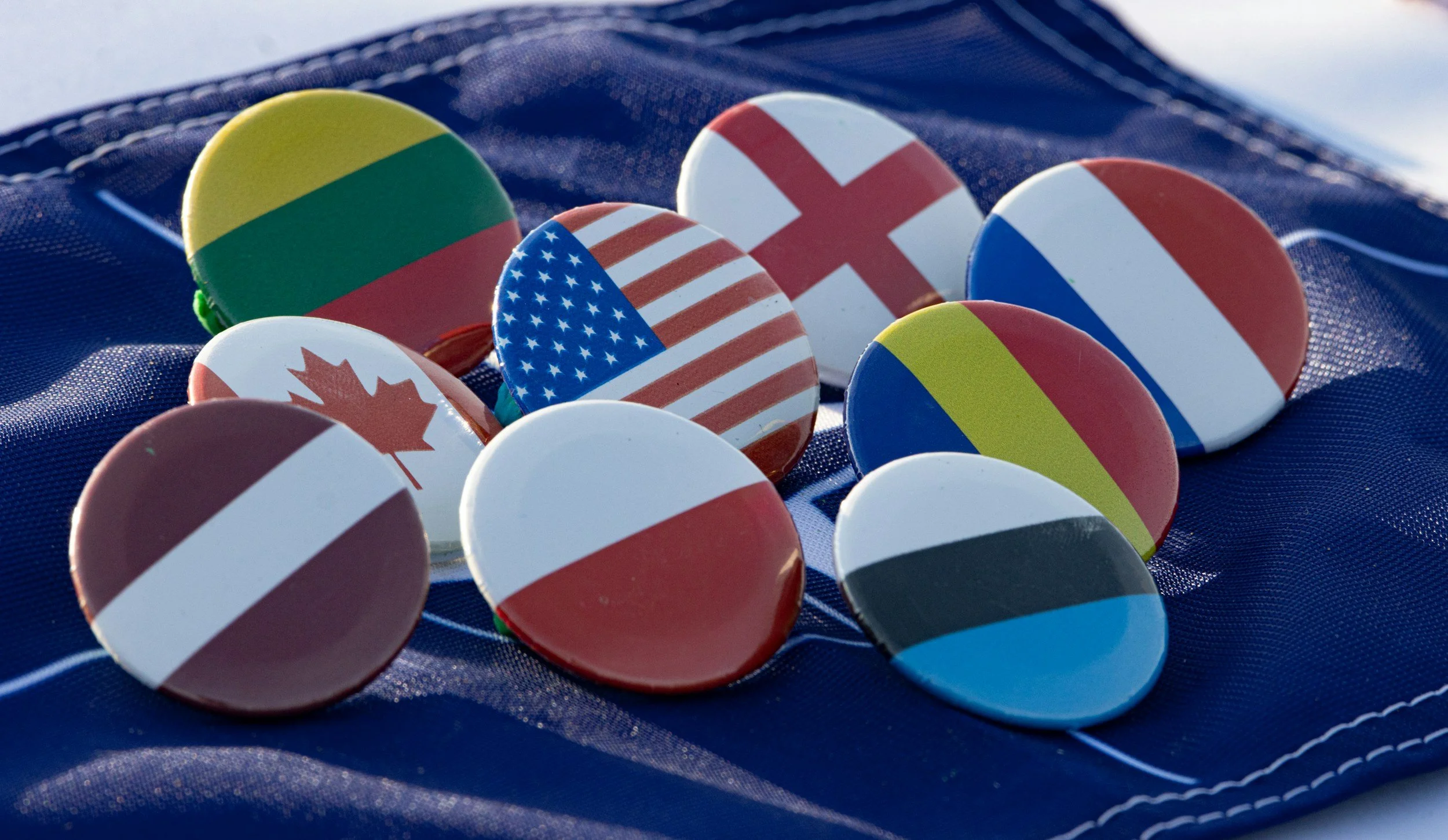
We talk about multiculturalism when we talk about a group of people that consists of multiple different cultures. That can be a team, a friend group, or an organization. The key here is that the members are from different cultures, working and living together as best they can.
We talk about interculturalism when we consider relationships. In an intercultural setting, the main focus is to make the relationship work, with an emphasis on interconnectedness. While multicultural teams can simply exist, intercultural relationships are intentionally built.
We refer to Cross-Cultural when one person, a group of people, or a topic connects with another culture. Whereas multicultural teams are often just a given, and intercultural relationships are built intentionally, this phenomenon simply reflects a reaction across cultures.
-
Short Answer: The ability to adapt, communicate, and work effectively across diverse cultural contexts.
Longer Answer: (Yet to come)
-
(Check back for more)
-
(Check back for more information later)
How important is cultural COMPETENCY?
Individualism vs. Collectivism
While it is important to celebrate individual potential and identity, some cultures place that secondary to the overall well-being and image of the group. Neither is ‘more right’, but failing to respect the nuances can create tension or even major conflict. A culturally competent person knows and respects the difference.
History & Culture
When hundreds of years of cultural influence meet the lifestyle of the Western world, things happen. New products are introduced. New thought processes are discovered. Education is challenged by different values. And all too often, new and old get tangled up in a ball of confusion. Respecting history is part of cultural competence.
Seemingly the same
Cultures can look very similar. From the outside, one could think that many Europeans and US Americans look alike - at least in our family background. But any stereotype that one has of the other will show you the contrary. Culturally competent people know to respect the nuances and celebrate the differences.
Nuanced views on Culture
Intercultural Living
Intercultural Leadership

Intercultural Ministry
Language Learning

Leadership is challenging enough; leading cross-culturally makes it extra tough. Leading Multicultural Teams. Strategic planning with different value sets. Consider all these things and more.
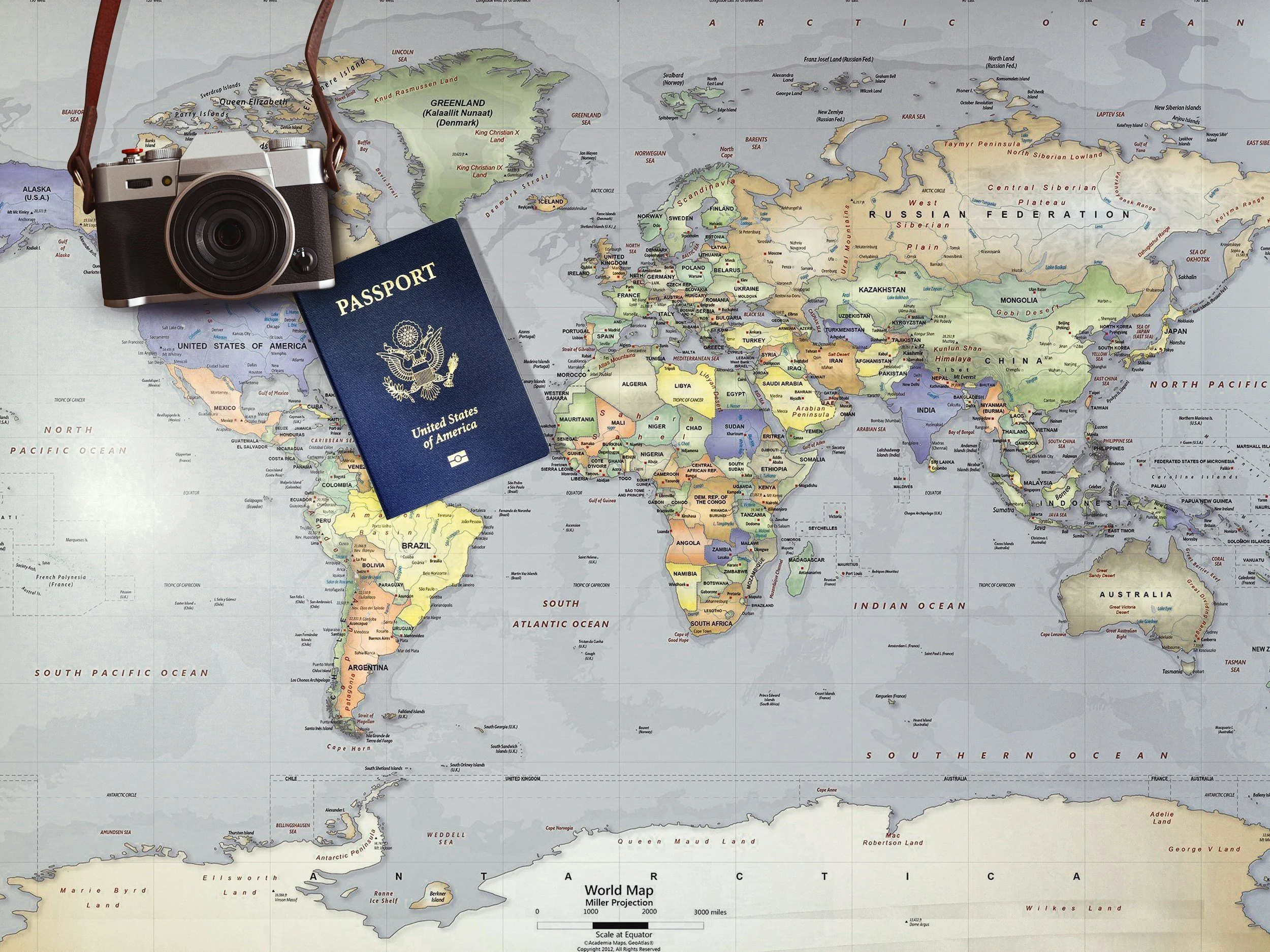
Take a peek at what goes into living in a different culture. Learn why attitude is key to living cross-culturally. Consider what it might be like to return to your “home” culture after seeing the world.
Language opens people’s hearts. The more you understand it, the deeper you will get to know them. The more you speak it, the more people will open up. But learning a language requires a system
Missionaries do ministry in a different culture - by definition. Leading multiculturally. Preaching to a different mindset. Considering language barriers in counseling- not just the words. …
Connect Knowledge about culture with SCIENTIFIC research and personal experience to become interculturally competent.
Explore Options
-
As you browse the pages of Milestone Momentum, you will find information on intercultural living, leadership, ministry, language learning, and much more.
We encourage you to explore as much as you can and if you have further questions about a specific topic, reach out for more content.
-
You do not have to face the challenge of moving into a new cultural setting alone. As a family, we have moved from Germany, to Yap (Micronesia), to Ecuador, and then to the USA. Each move came with its challenges and joys.
Reach out to find out how we can be your companion for some time until you feel comfortable to do life in the new culture on your own.
-
There is much to be said and learned about intercultural engagement, whether it be leadership, living abroad, or learning a language.
Find out if there are any workshops sceduled and where. If not, we can certainly get things organized. All it takes is a little nudge from you.
Reach out to inquire about leading intercultural, living intercultural, learning a languae, or any other related topic.