


Cross-Cultural Stress
Research Insight
The Attrition rate for missionaries is 70% within the first few years of service, and 50% leave FOR preventable reasons. Cultural Stress plays a large part in this.
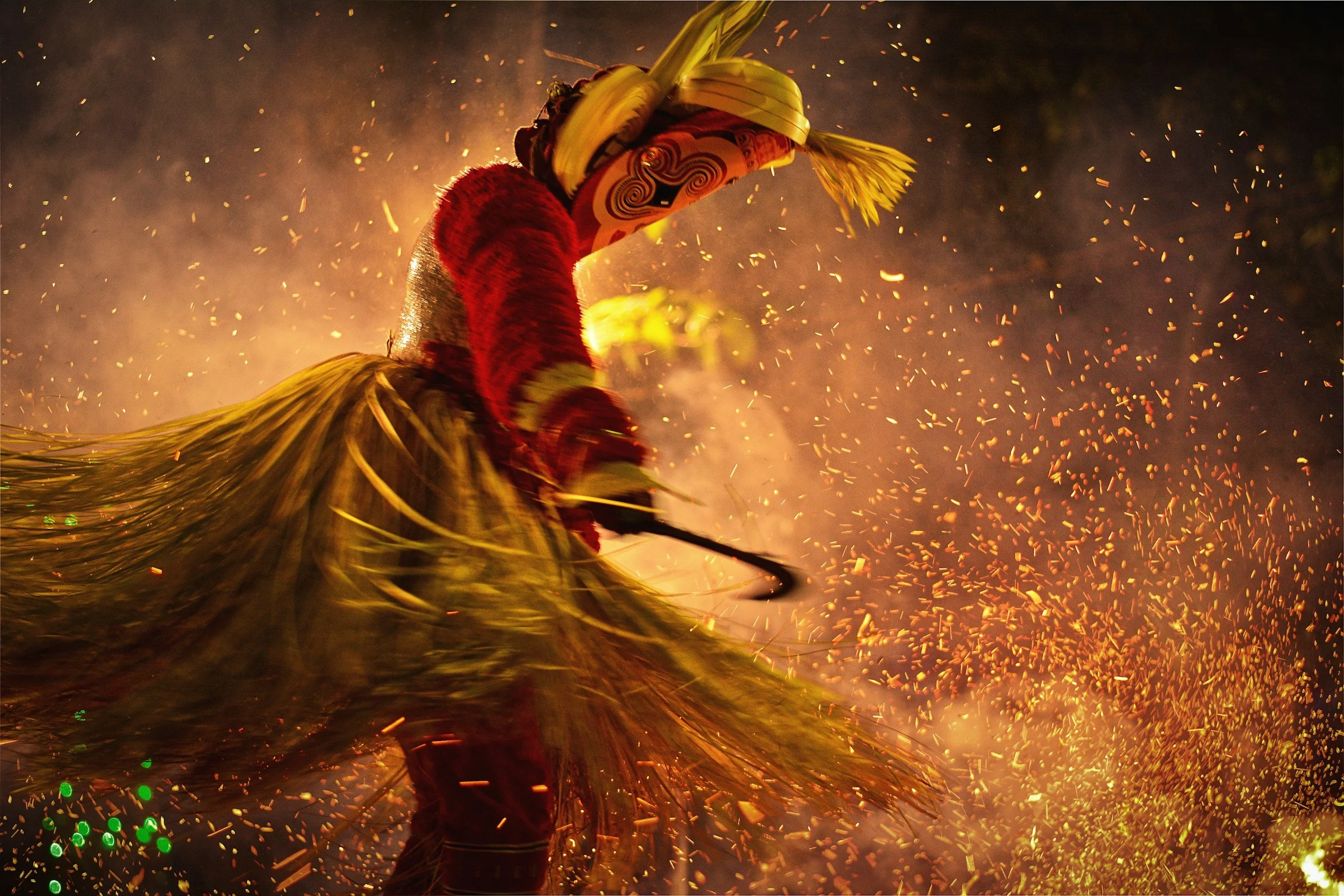
Living in a new Environment
Moving into a new country is exciting. New opportunities. New food. New people. New customs. But these are also the very reasons moving is scary. All these things are new. Adapting to them takes time, effort, and sometimes emotional strain.
On this page, you will find research and information that may help you understand the dynamics of acculturation stress and other stressors in a new cultural setting.
Acculturation Stress
Acculturation is the process of adapting to a new cultural environment to the point of comfortably living in the culture without losing one’s own background identity.
International students. Immigrants. Missionaries. Diplomats. International businessmen. Military personnel. All these groups face the same challenge: Adapting to a new cultural environment. And while some adapt relatively easily, others struggle significantly. Most people take it one day at a time and slowly manage the change.
But what are the main challenges? First, there is the challenge of communication. Even when people speak the same language, social rules, accents, forms of expression, and other nuances can throw you off. Add a new language entirely to those challenges, and things get very frustrating very quickly. Granted, language learning is a skill you can learn, but in the first few months it is still frustrating. Even if you've learned a few basic things, people will notice. This makes shopping, traveling in the country, making friends, organizing basic services, and other things very difficult. Language is the key to organization, but more importantly, the key to people’s hearts.

Levels of Social Interaction Stress
Over time, every person learns to live and function within their social environment. It is just part of our upbringing. Child Psychologist Uri Bronfenbrenner developed the bio-ecological model to display the different social levels that play a role in a child’s development. He recognized that, apart from immediate people like parents, siblings, and friends, a person is also influenced by how these people interact with each other. The way siblings are treated by the parents leaves an impression on a person. Then there are the influences on the people who influence the parents, siblings, and friends: employers, neighbors, colleagues, and others. And, ultimately, there are cultural norms, religion, and ethics that rule over the entire group. These influences continue to shape us and sometimes change slightly as we grow up, but in general, they provide a stable environment to live in.
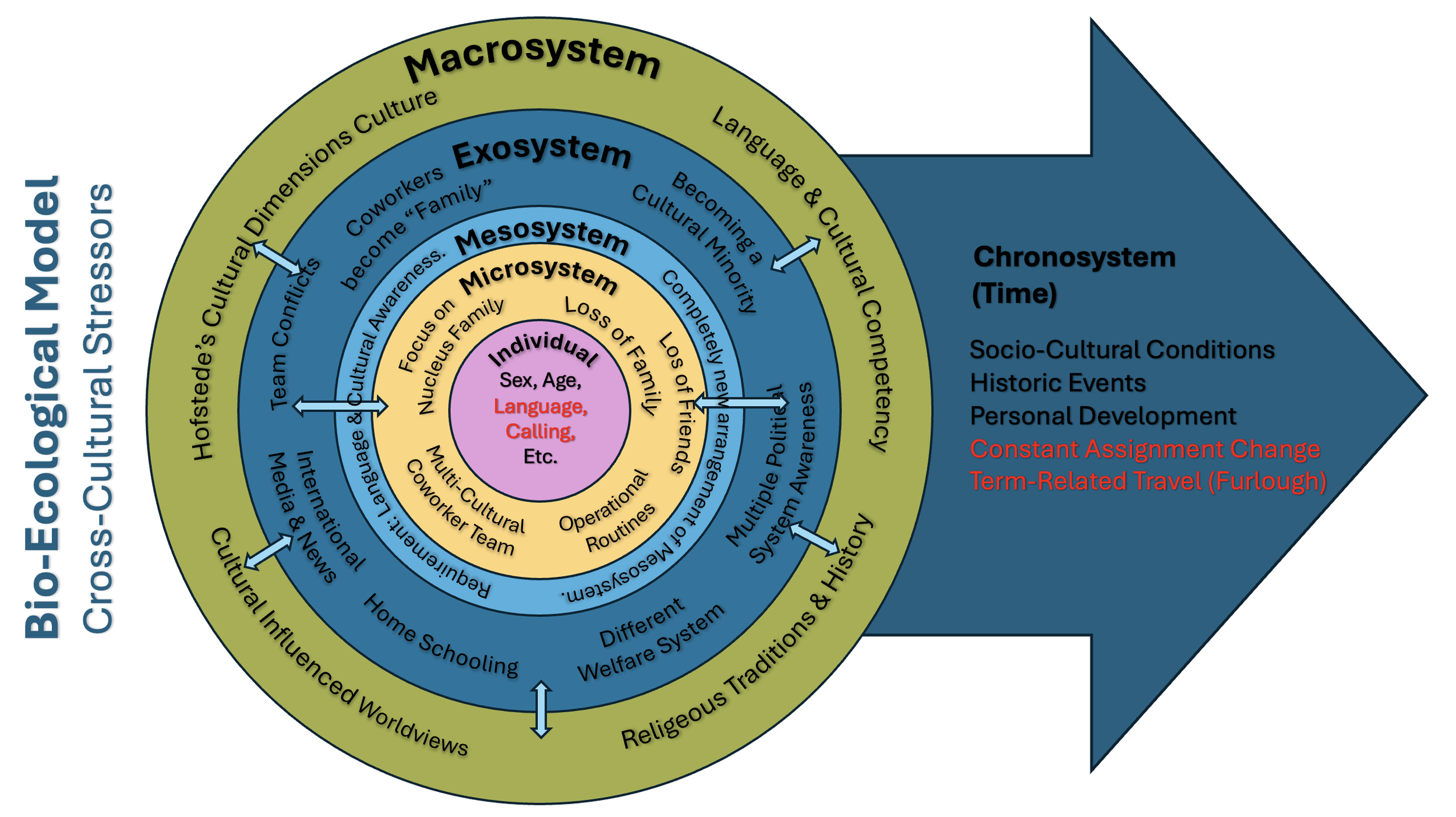
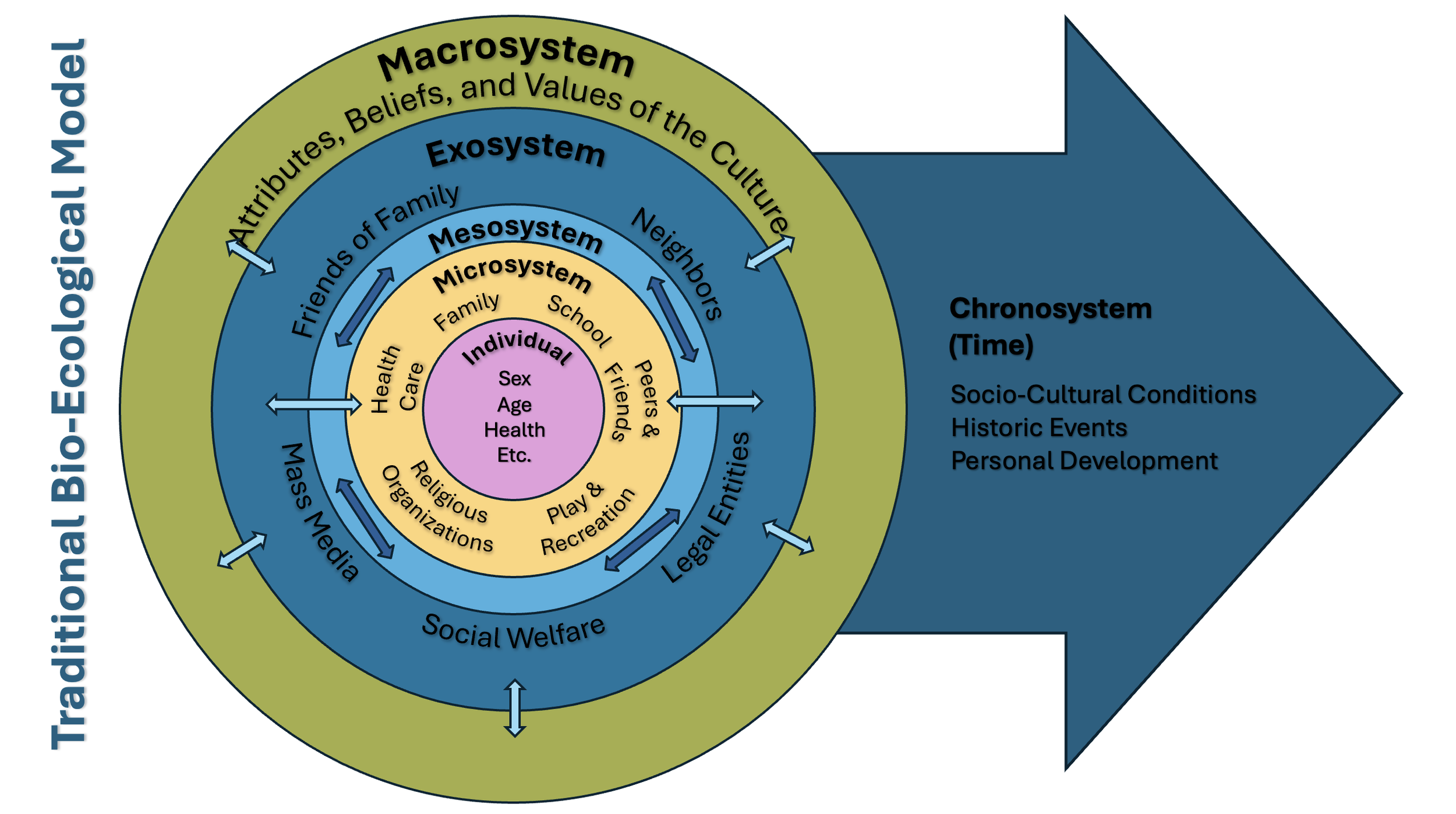
Take Bronfenbrenner’s model and imagine exchanging almost every level with something new. New friends. New neighbors. New authorities. New cultural norms. New everything. Here is what will happen:
The understanding of group vs. individual changes, sometimes slightly, sometimes significantly.
Religious traditions are interpreted and practiced differently, sometimes with much greater importance to people.
One will learn to monitor and live within two or more political systems: home and new home politics.
School and raising children will have to be determined. Education. Family traditions. Language emphasis. Etc.
(Stay tuned for more)